Time
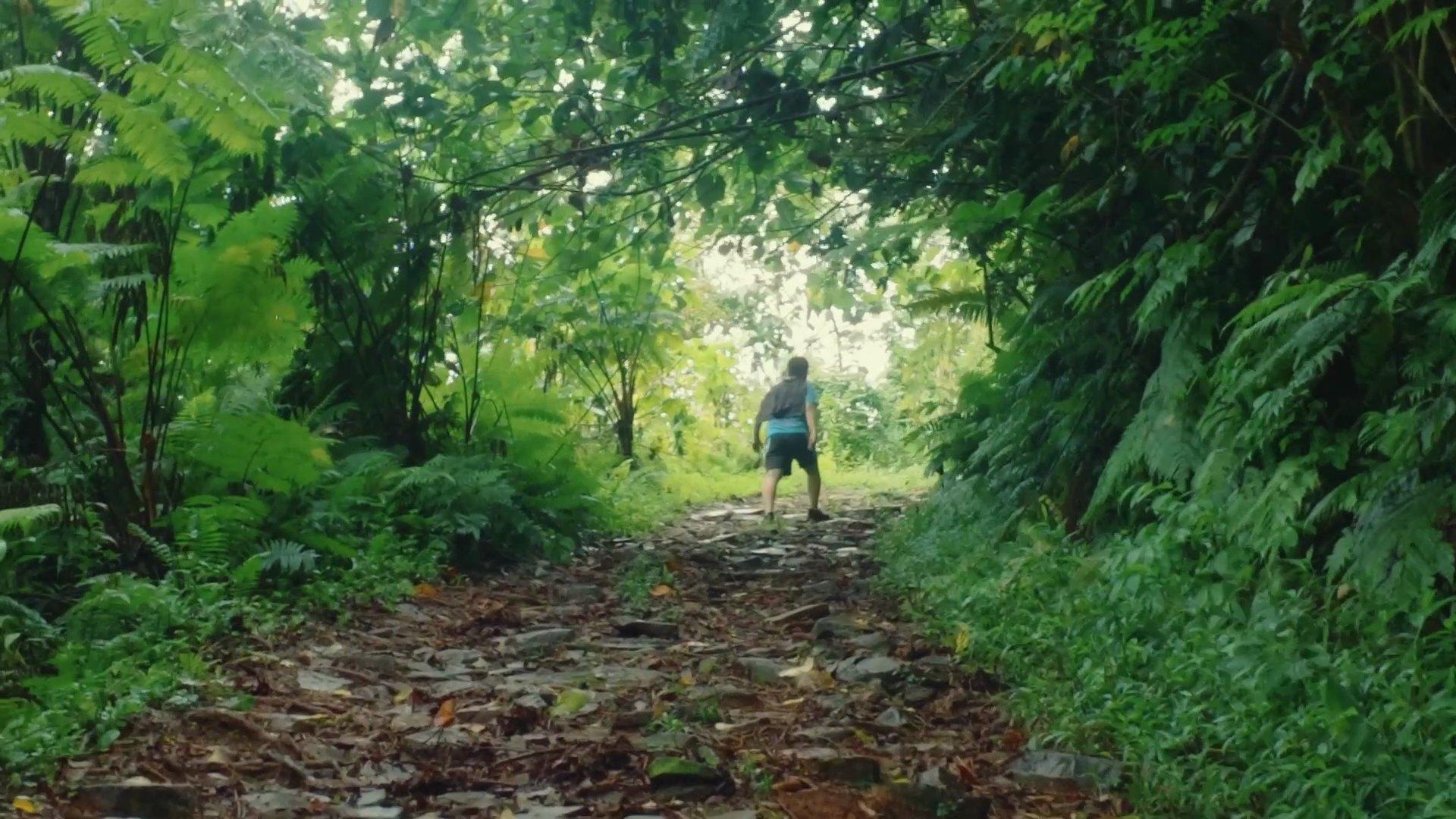
About 1 to 1.5 hours each way from the trailhead to the summit. Some slopes are steep, so wear sturdy shoes.
SOKEHS MOUNTAIN
To a summit of sweeping views, war relics, and the memory of resistance.
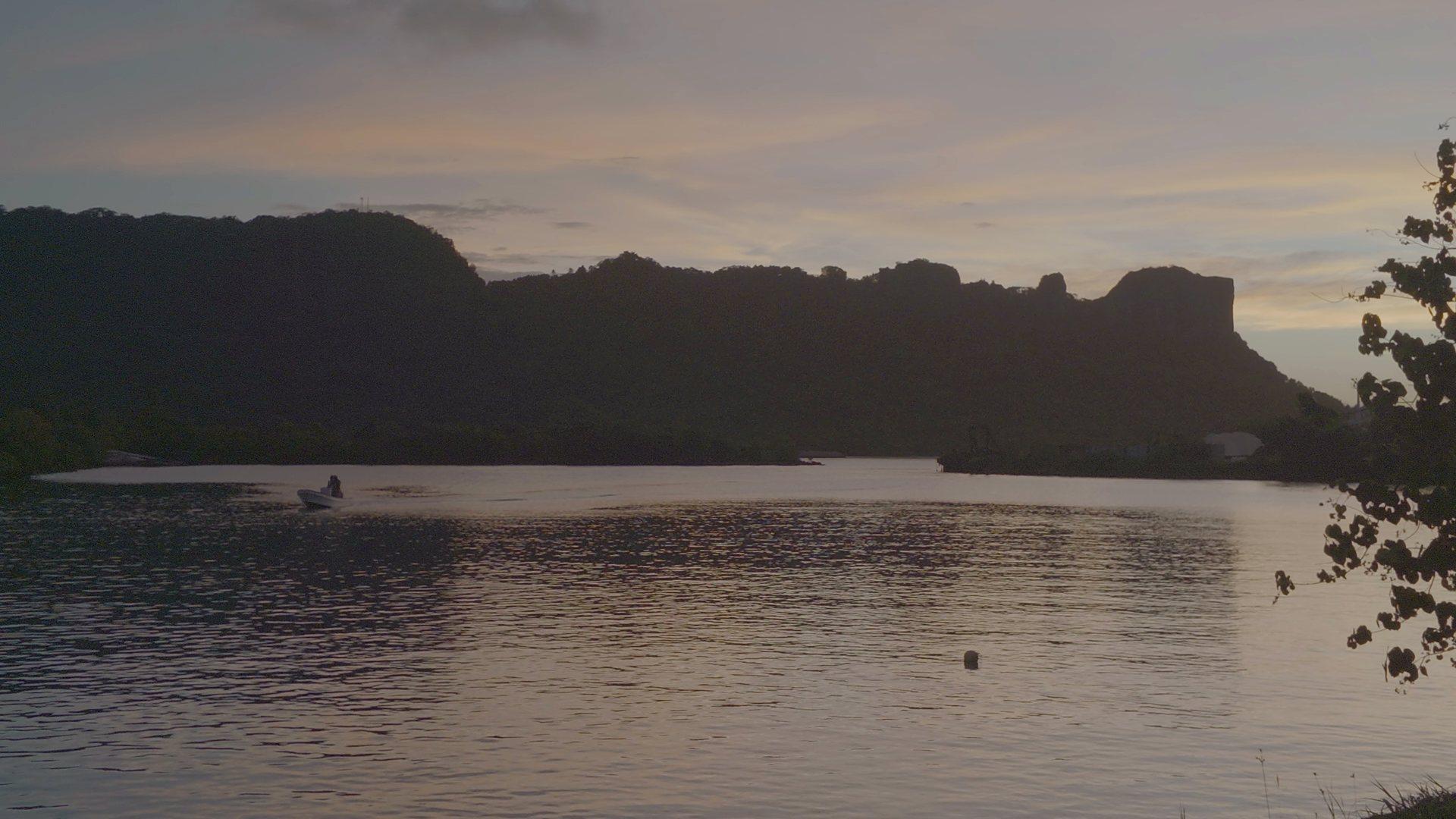
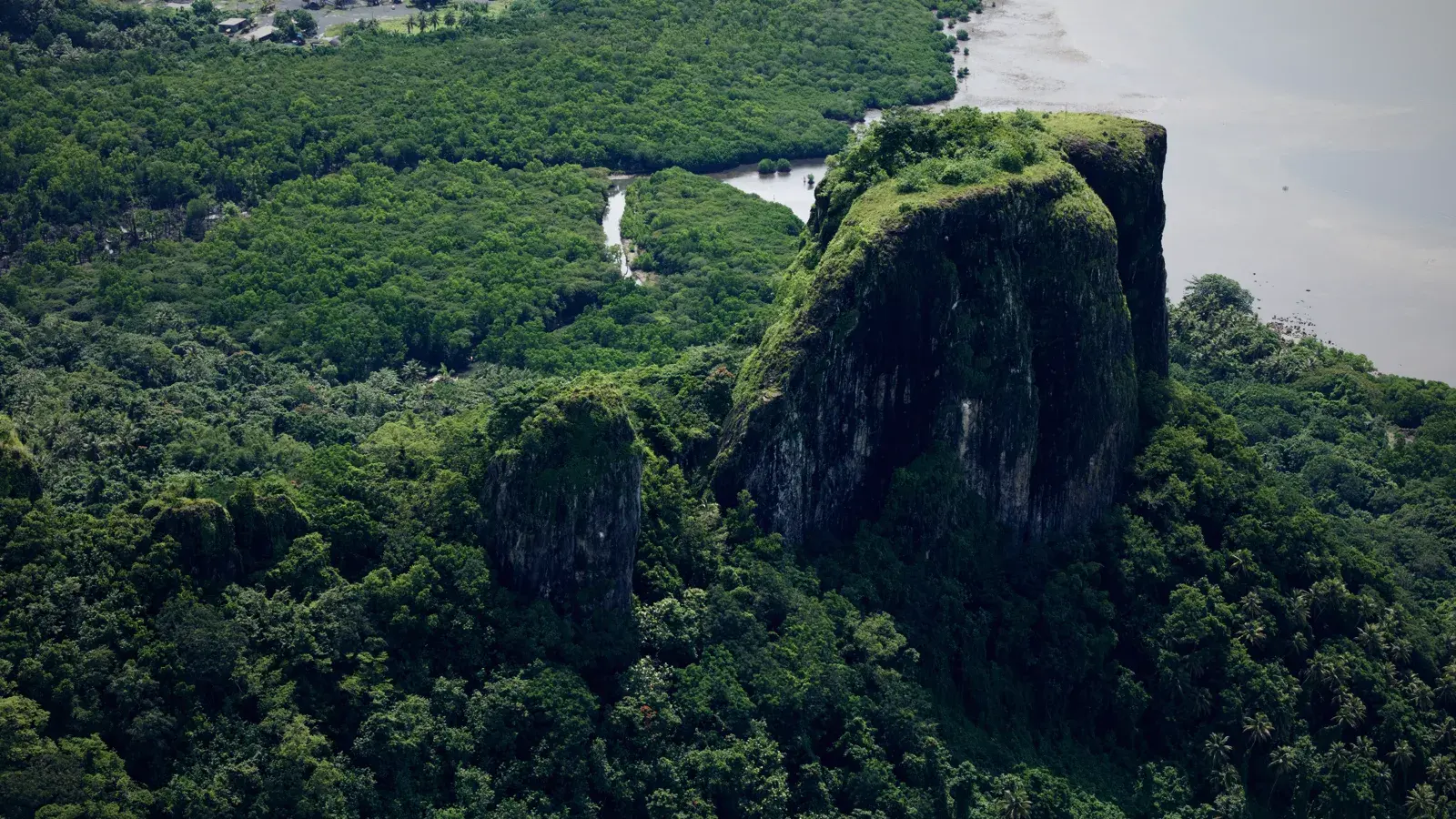
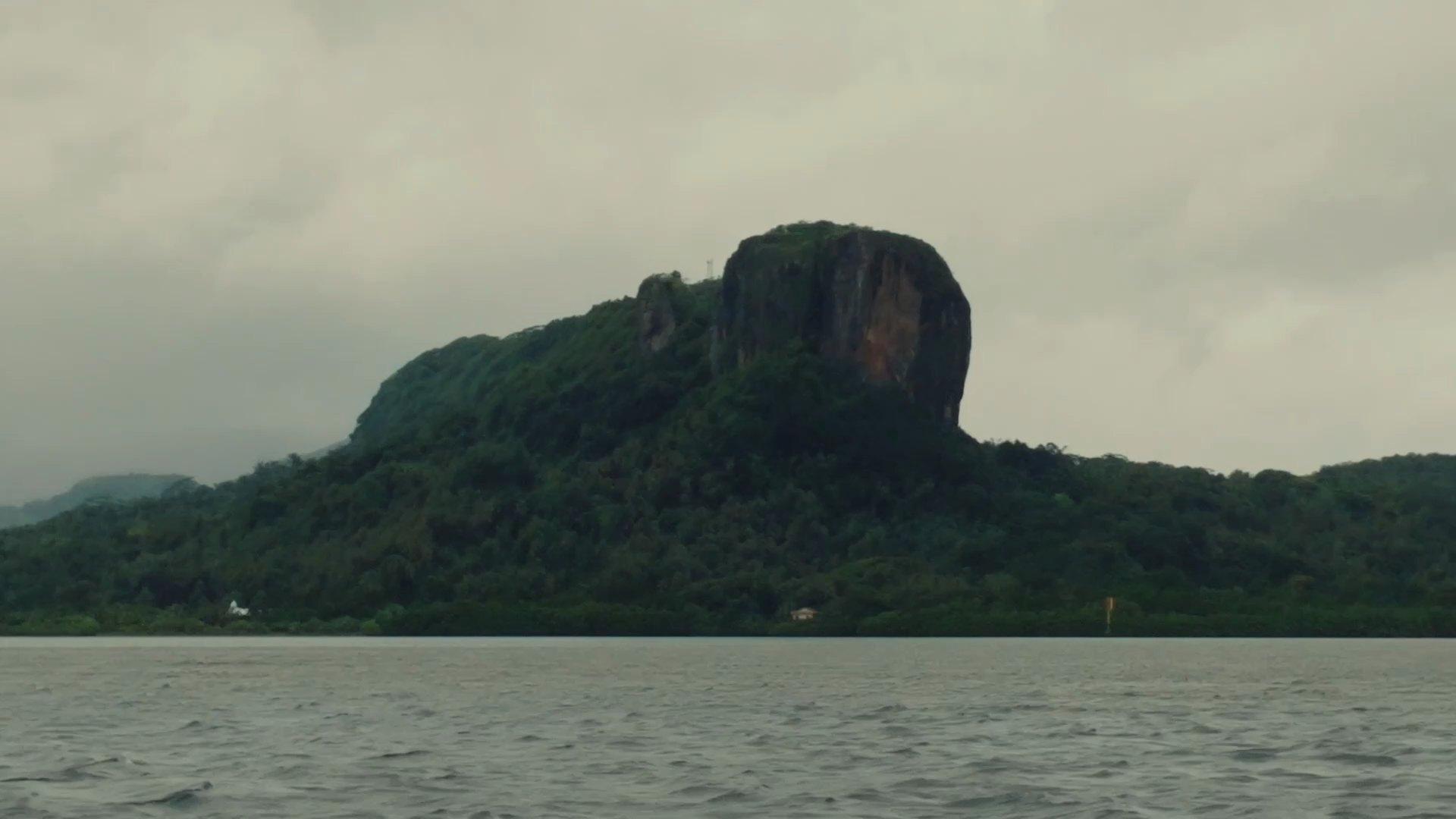
Across the harbor from Kolonia, a mountain thrusts its sheer basalt face into the sky. Sokehs Rock (Pohndolap) — called 'Pohnpei's Diamond Head,' it is the island's great landmark.
Its summit is more than a lookout. Beneath the sweeping reef view sleep guns left by the Japanese army, and the memory of a rebellion more than a century old is carved into the ridge. Sokehs is where Pohnpei's nature and history meet most intensely.
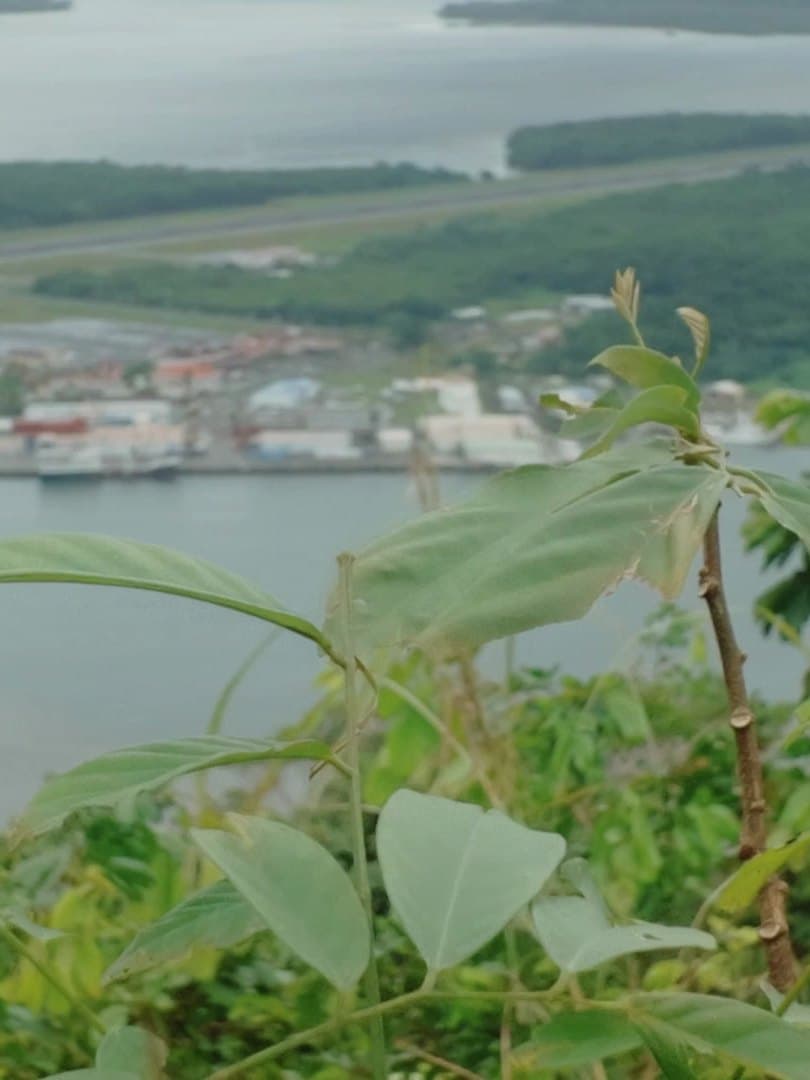
THE SUMMIT VIEW
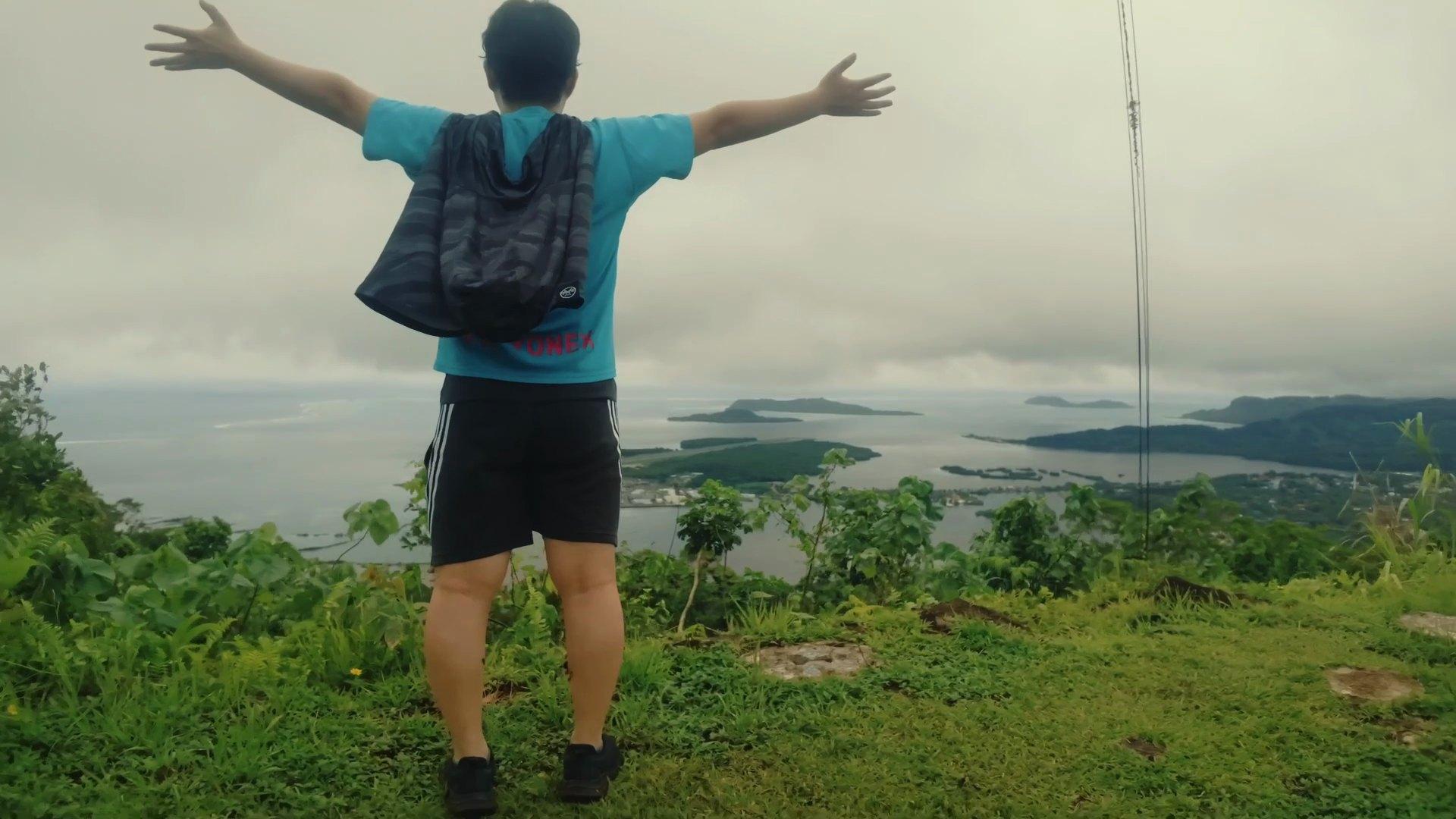
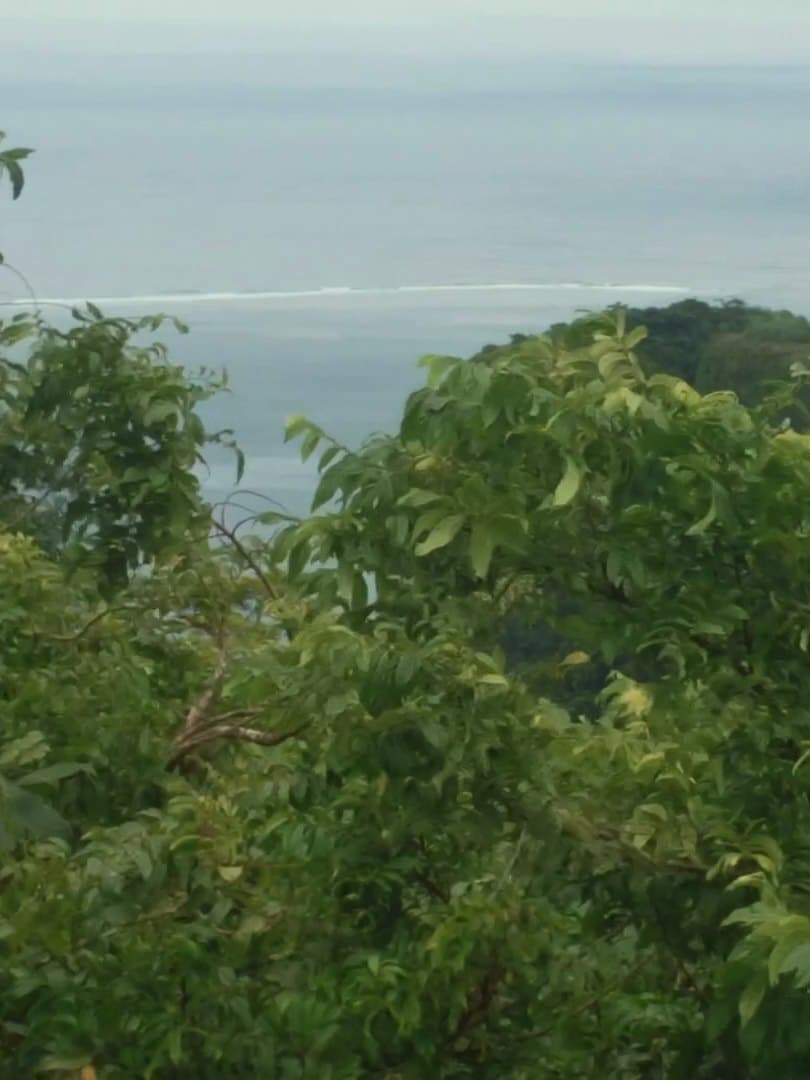
The island's finest view, earned only by those who climb.
GUNS IN THE JUNGLE
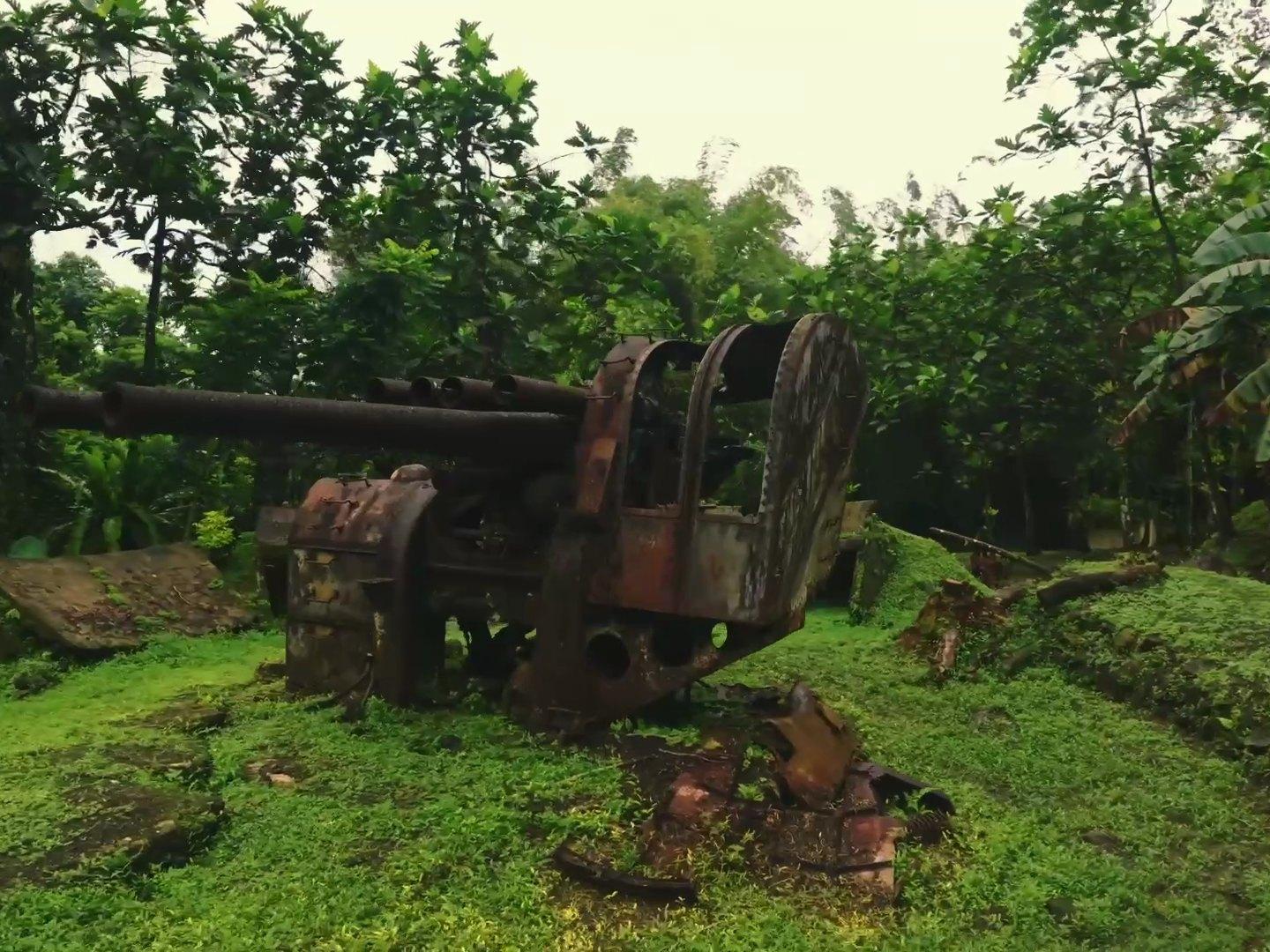
Beneath the summit view, guns left by the Japanese army still rest in silence.
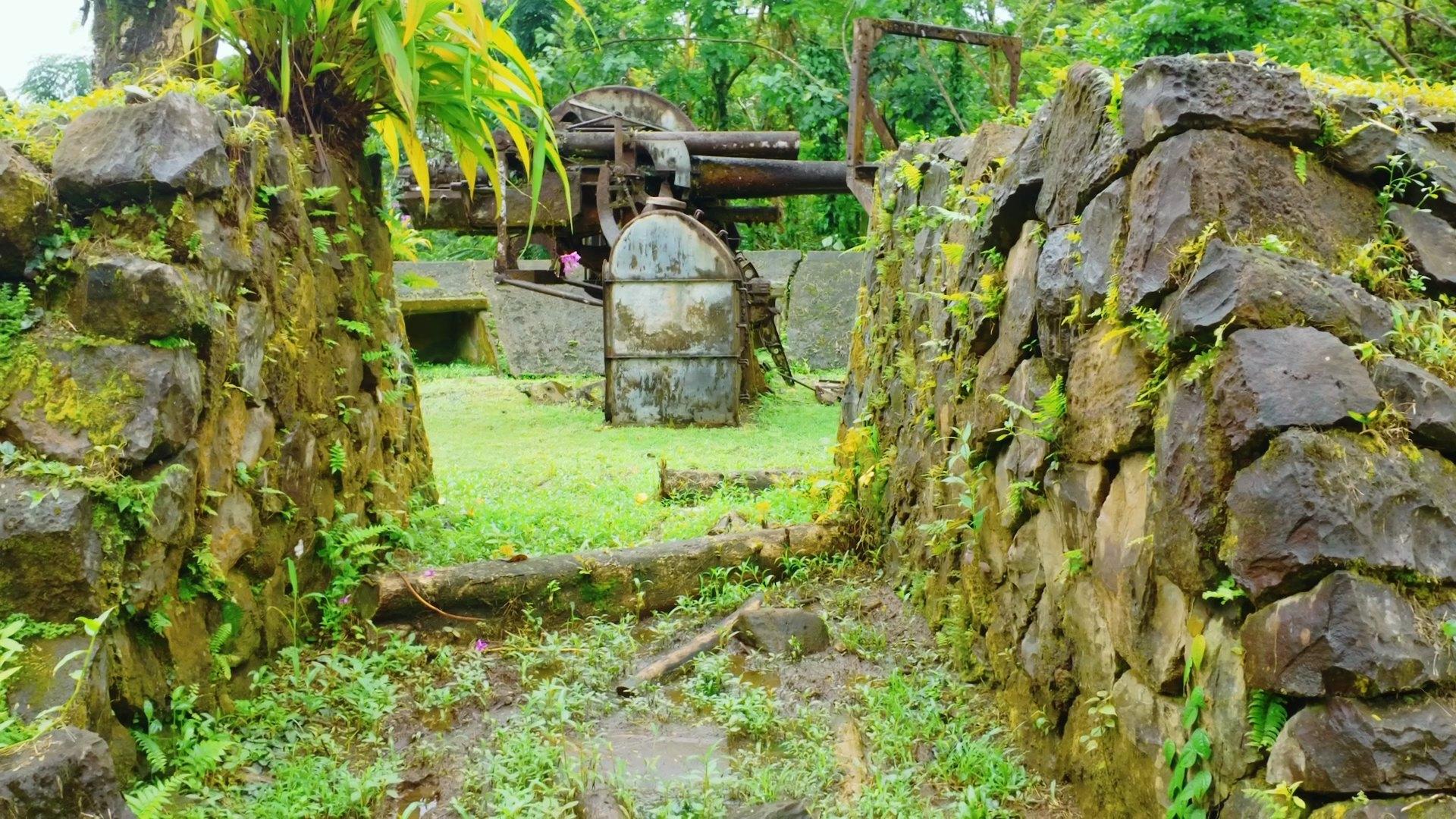
After World War I, Pohnpei became a Japanese mandate. When the Pacific War came, the island was fortified as a keystone of the South Seas defense. The army cut an 'artillery road' to the summit and hauled heavy guns up onto this ridge.
Pohnpei still keeps seven 15 cm coastal-defense guns (one partly disassembled) and two 12.7 cm anti-aircraft guns, on Sokehs and elsewhere. The coastal guns were meant for enemy warships closing from the sea; the AA guns, for bombers from the sky. The 15 cm gun on Sokehs is said to have been moved up from Lenger Island during the war.
In 1944, U.S. Navy battleships shelled Pohnpei, and the island was bombed from the air. Yet no landing came, and these guns fired in anger scarcely at all before the war's end. That is why the barrels remain intact — held in the jungle's green, quietly telling of that era.
THE SOKEHS REBELLION
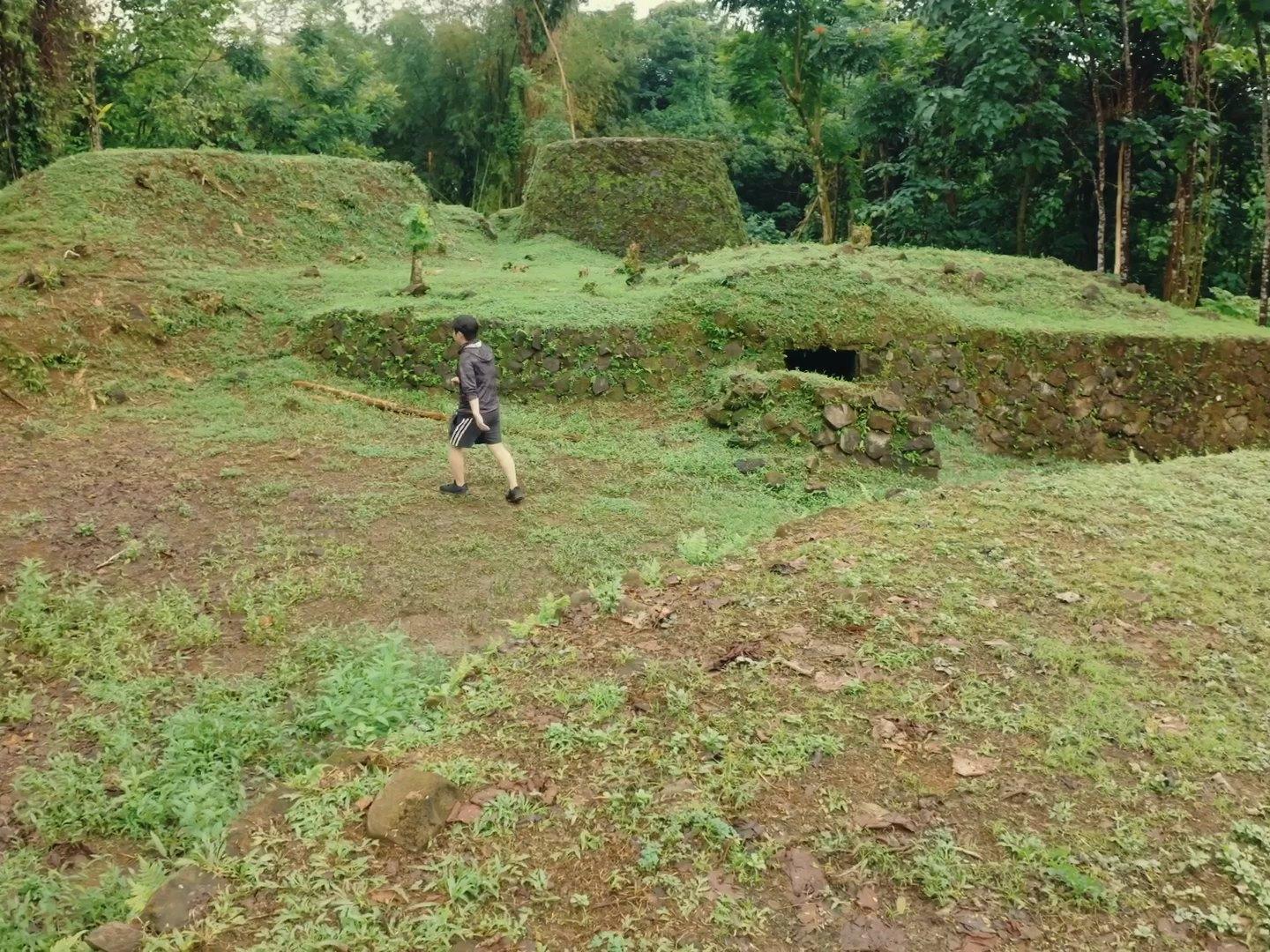
Before the Japanese era, Pohnpei was a German colony. German rule imposed brutal forced labor for road-building and corporal punishment that wounded the island's pride. In 1910, the people of Sokehs finally rose up and killed German officials — the Sokehs Rebellion.
The steep mountain of Sokehs became the rebels' fortress; the stonework of a Pohnpeian fort still remains on the ridge today. But in 1911, Germany crushed the uprising with warships: seventeen men were executed by firing squad, and most of the Sokehs people were deported far away to Palau, their lands taken from them.
A memory of this island's pain, hidden behind the view. As you walk the mountain, hold that story in your heart too — it will make the scenery run deeper.
GOOD TO KNOW
About 1 to 1.5 hours each way from the trailhead to the summit. Some slopes are steep, so wear sturdy shoes.
After rain the trail turns muddy and the rocks grow slippery. Trekking gear is recommended.
The relics and fort are easy to walk past unnoticed. With a guide, you can enjoy the stories behind the scenery.
The blue of the reef, the green of the jungle, the iron of the guns, the stone of the fort. Sokehs holds all of Pohnpei at once.
Walk this mountain with us — guides who can weave its nature and history into a single thread.