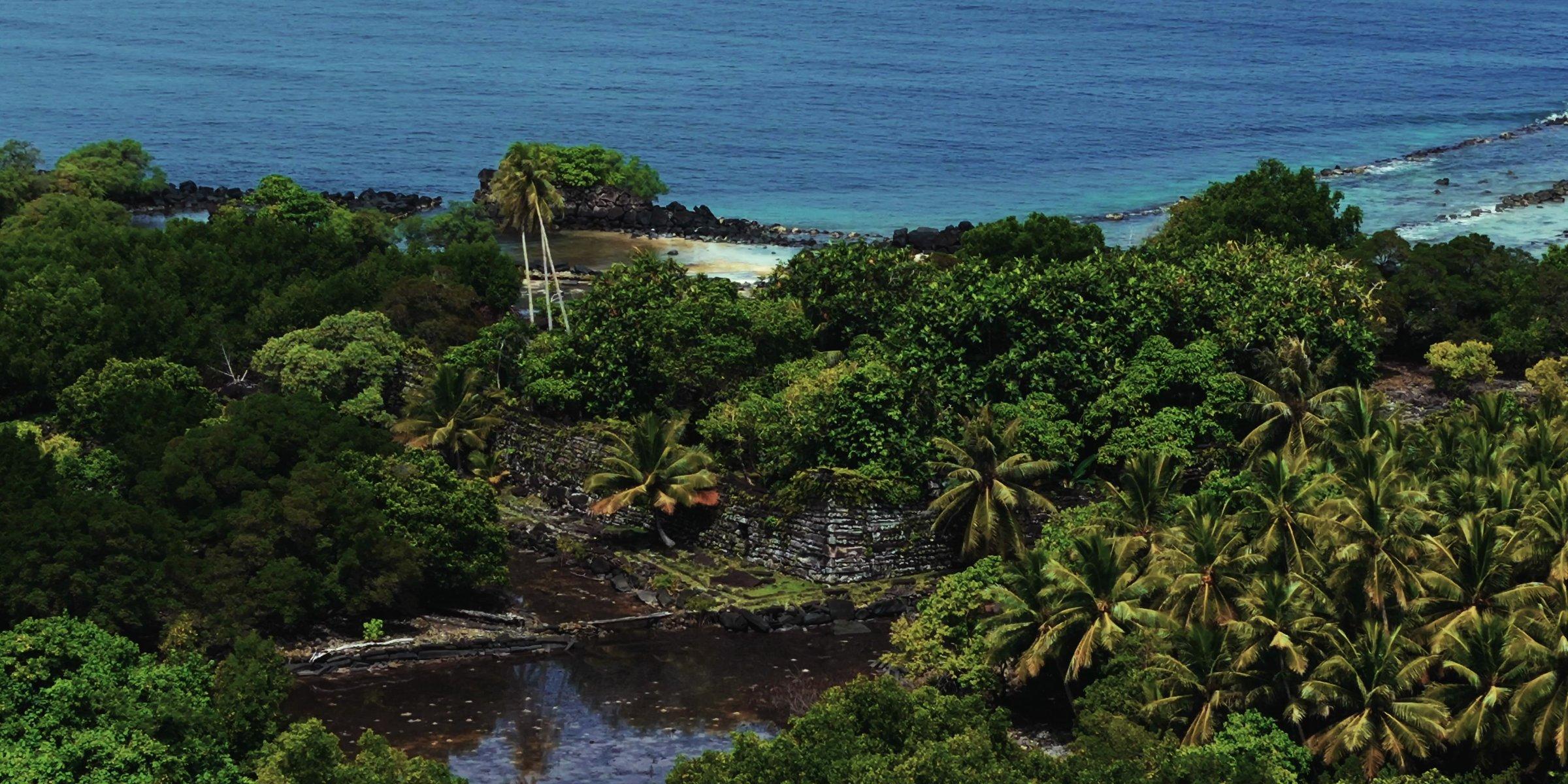


Nandauwas, Tomb of Kings
The largest structure in Nan Madol — a royal mausoleum enclosed by stone walls over seven meters high, still the symbol of the ruins today.
WORLD HERITAGE
The “Venice of the Pacific” — one of the greatest stone cities ever built on the sea.
A city of stone, upon the sea.
Eight hundred years of silence, still held in the water.
Around 800 years ago, a monumental stone city rose from the waters off Pohnpei's east coast: Nan Madol.
Roughly 100 artificial islets, large and small, were linked by canals and crowned with palaces, temples, residences and royal tombs.
Built of massive stacked basalt, the city was inscribed as a UNESCO World Heritage site in 2016 as a cultural treasure representing the Pacific region.
Yet the ruins still hold many mysteries.
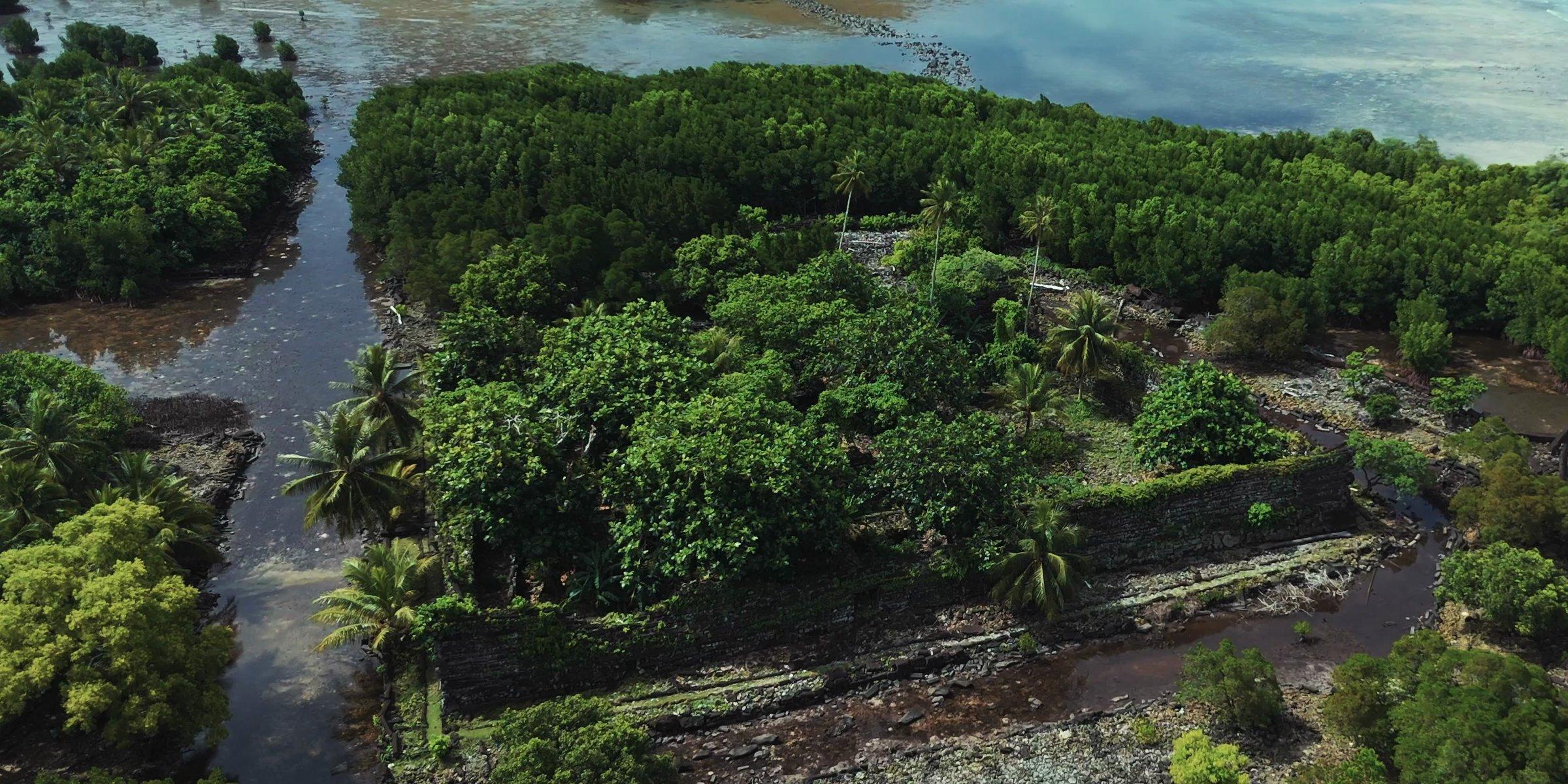
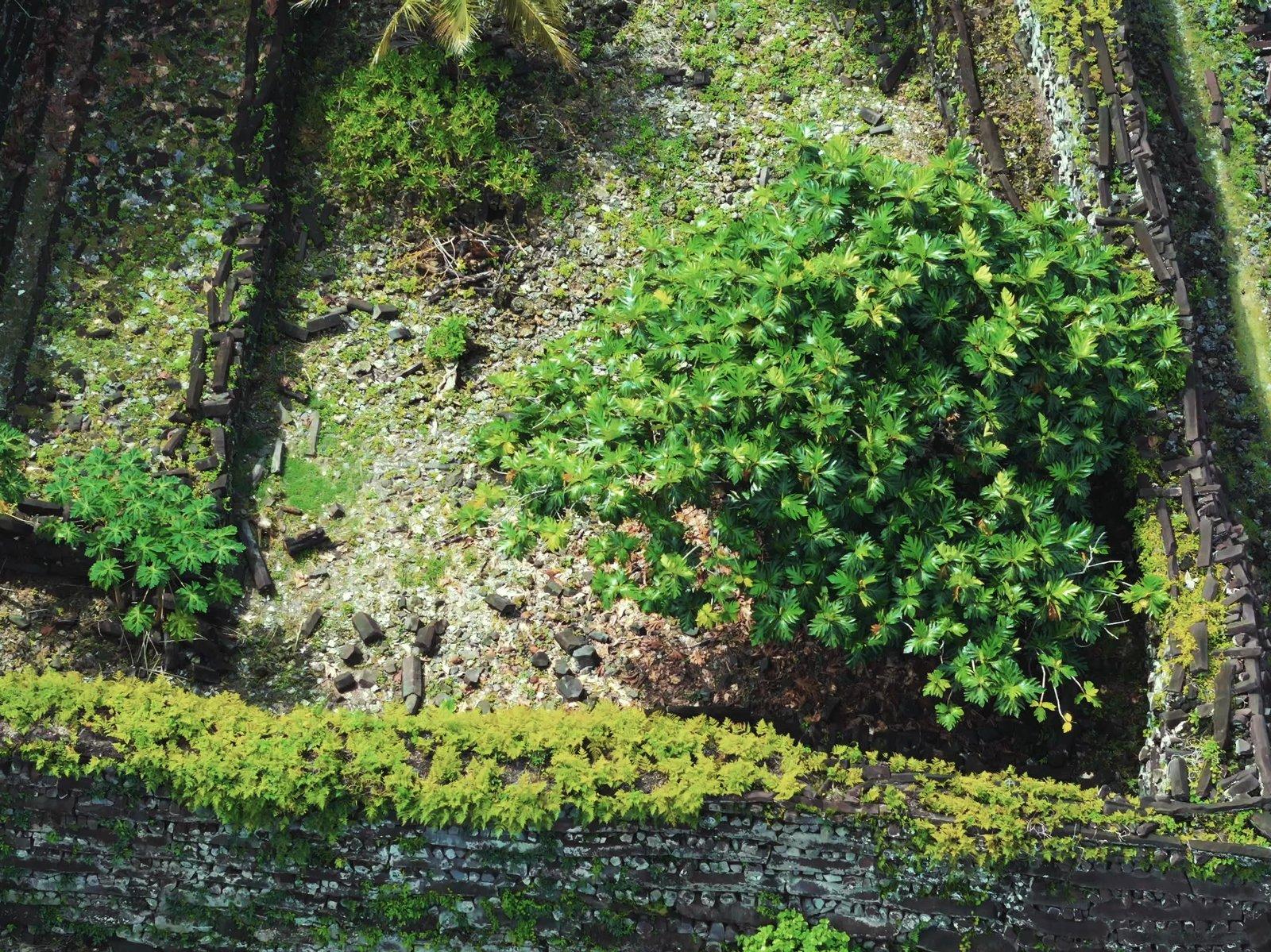
PLATE 01—Nandauwas
The royal mortuary, greatest of the islets — cradled by canals and mangroves, seen from the air.
ABOUT NAN MADOL
A city on the sea, where kings once lived.
Nan Madol is believed to have been the political and religious center of the Saudeleur dynasty, which flourished from around the 12th to the 15th century.
Across some 80 hectares, roughly 100 artificial islets were built, each connected to the next by canals.
Each islet had its own purpose:
— every islet playing a distinct role in the life of the city.
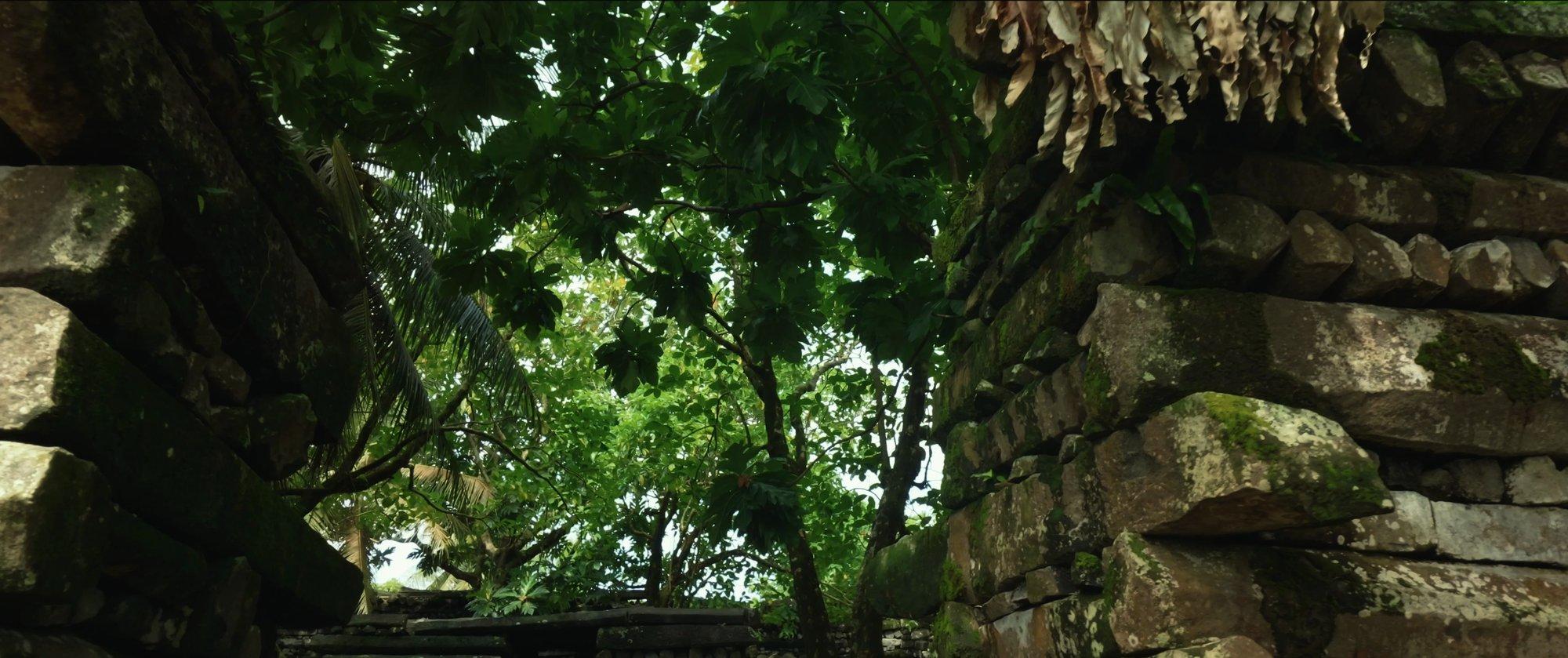
Stone walls reaching seven to eight meters still stand today — a presence no photograph can fully convey.
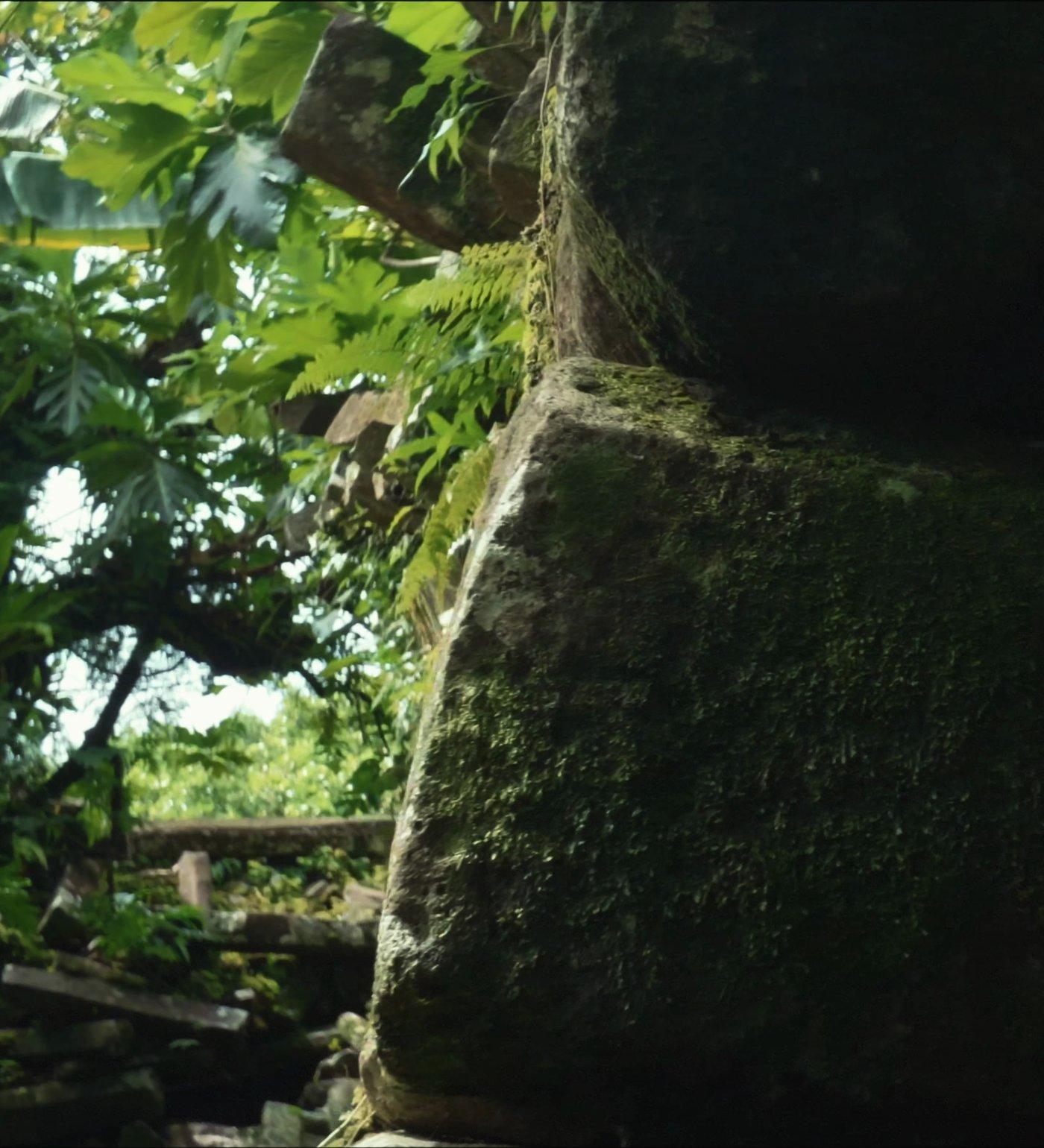
How were the massive stones transported?
Why build a city on the sea?
And why did its people leave?
“No one can say what is truly true.”
— A guide walking the ruins
THE NAME
In the spaces between.
Between heaven and earth.
Between gods and mortals.
The best-known reading of “Nan Madol” is “in the spaces between” — a reference to the canals threading between the artificial islets. It is this waterscape that earned the city its name, the “Venice of the Pacific.”
Yet other traditional readings survive — “between heaven and earth,” “the place joining the worlds of gods and people,” “the place where houses gather” — and no single one has ever been settled. Even the meaning of its name remains a mystery, and that too is part of the ruins' allure.
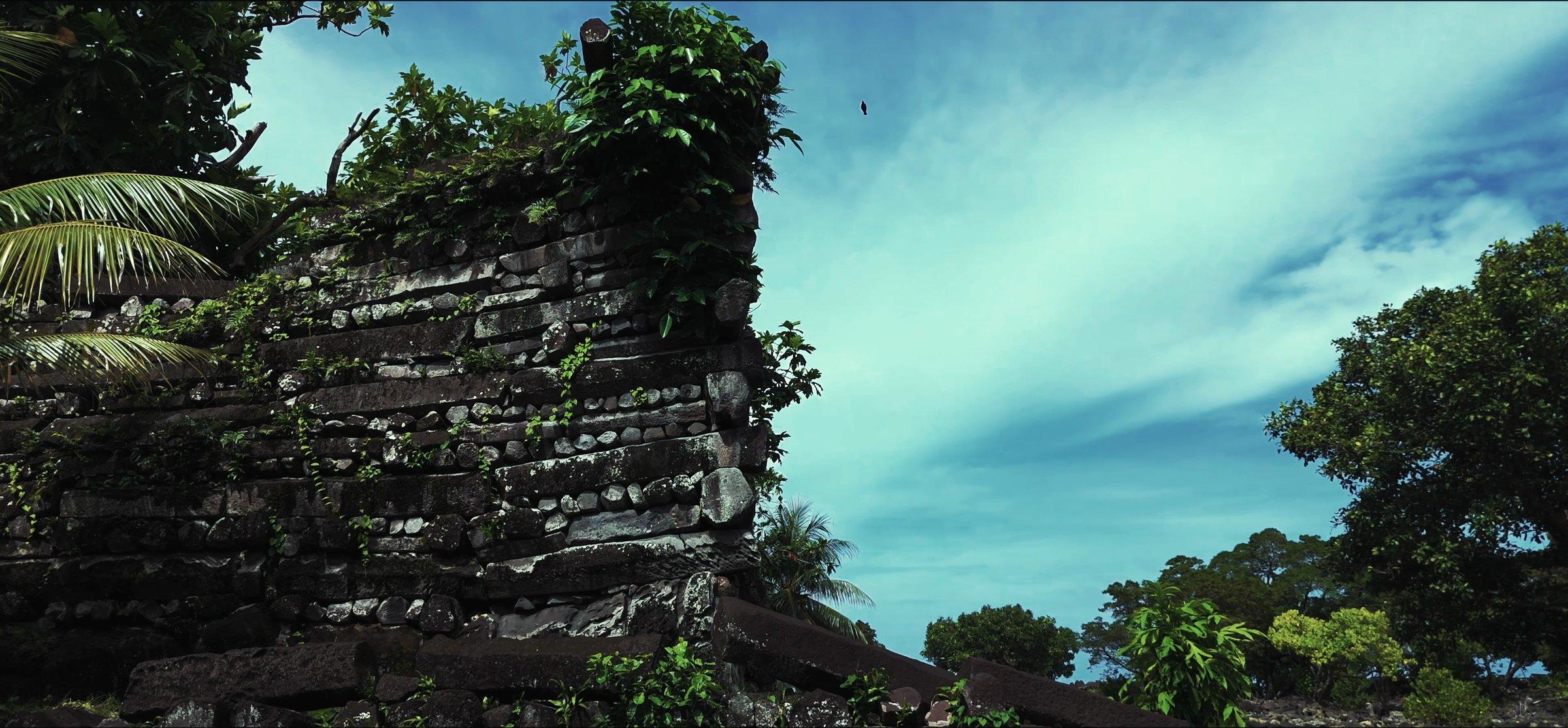
PLATE 02—Basalt Ramparts
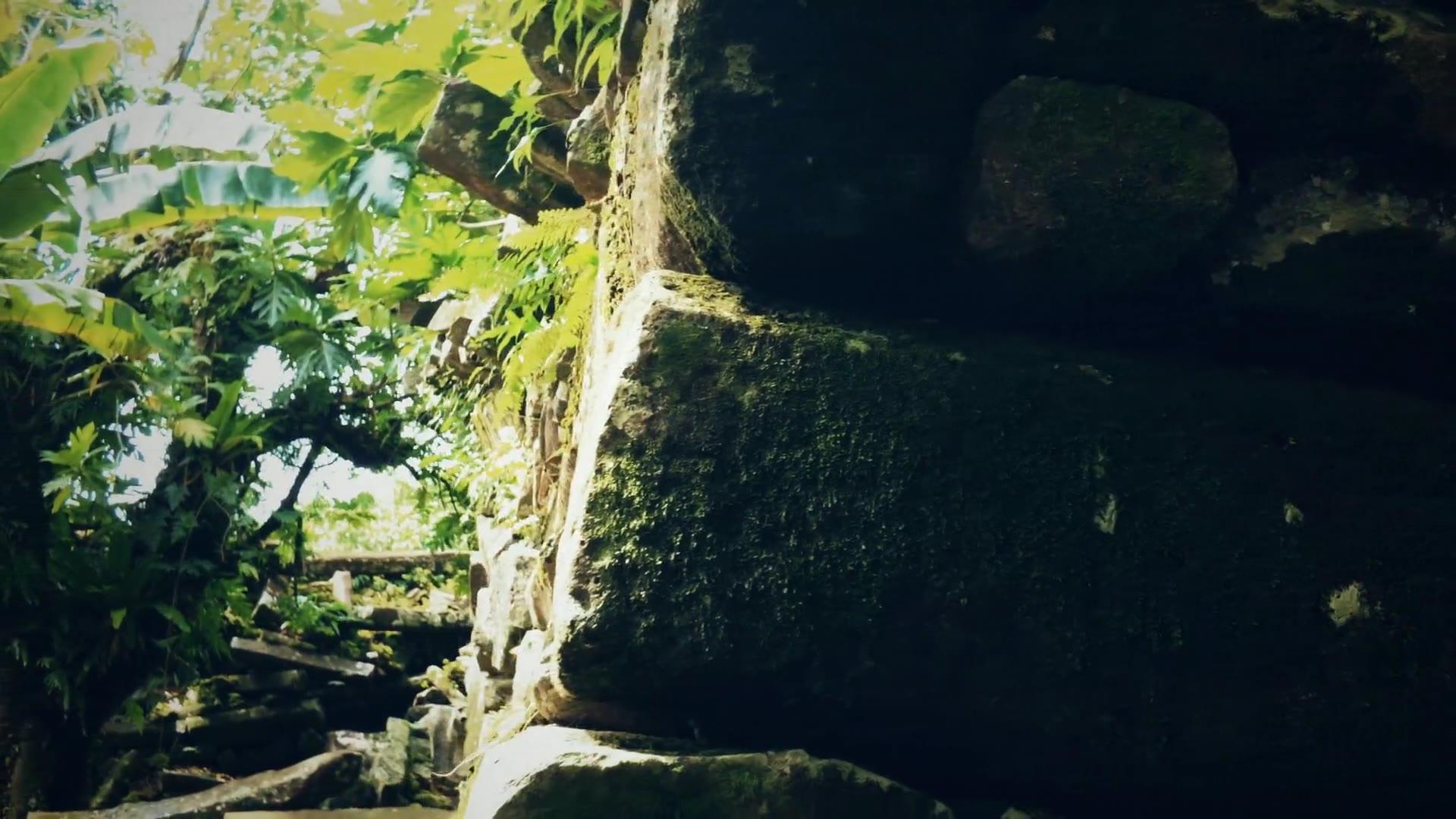
Columnar basalt laid like timber — walls that rise to eight meters at their highest.
THE MYTH
On Pohnpei, the story of this city is still passed from voice to voice.
Twin brothers, Olisihpa and Olosohpa, crossed the sea from the western land of Katau. By prayer, it is said, they made the great stones fly, and raised islets upon the reef.
Olosohpa became the first ruler, governing all of Pohnpei from Nan Madol. The dynasty endured for generations — and slowly hardened into tyranny.
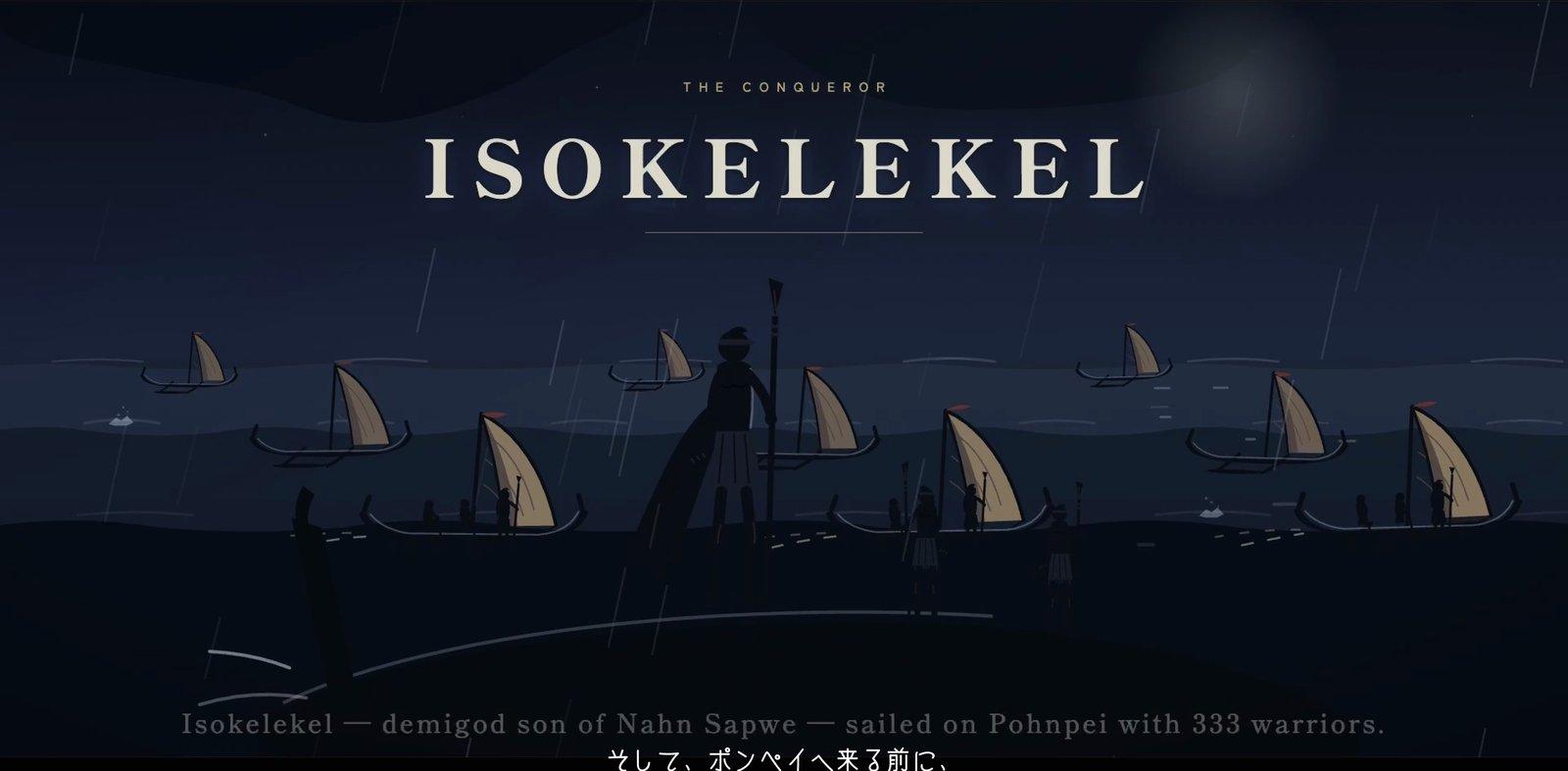
When the last ruler persecuted the thunder god Nahn Sapwe, the demigod Isokelekel crossed the ocean with 333 warriors, and the dynasty fell.
Crowned as the first Nahnmwarki — paramount chief — Isokelekel began the system of chiefdoms that Pohnpei keeps to this day, four hundred years on.
WHY WORLD HERITAGE
A cultural monument of Pacific civilization
Nan Madol is far more than a set of monumental ruins.
In an age without iron tools, its builders stacked basalt columns weighing tens of tons, raised a city upon the sea, and developed a sophisticated political, religious and social order — achievements that earned UNESCO World Heritage inscription in 2016.
At the same time, with its preservation threatened by overgrowth and rising seas, Nan Madol was placed on the List of World Heritage in Danger the moment it was inscribed. International conservation work continues today.
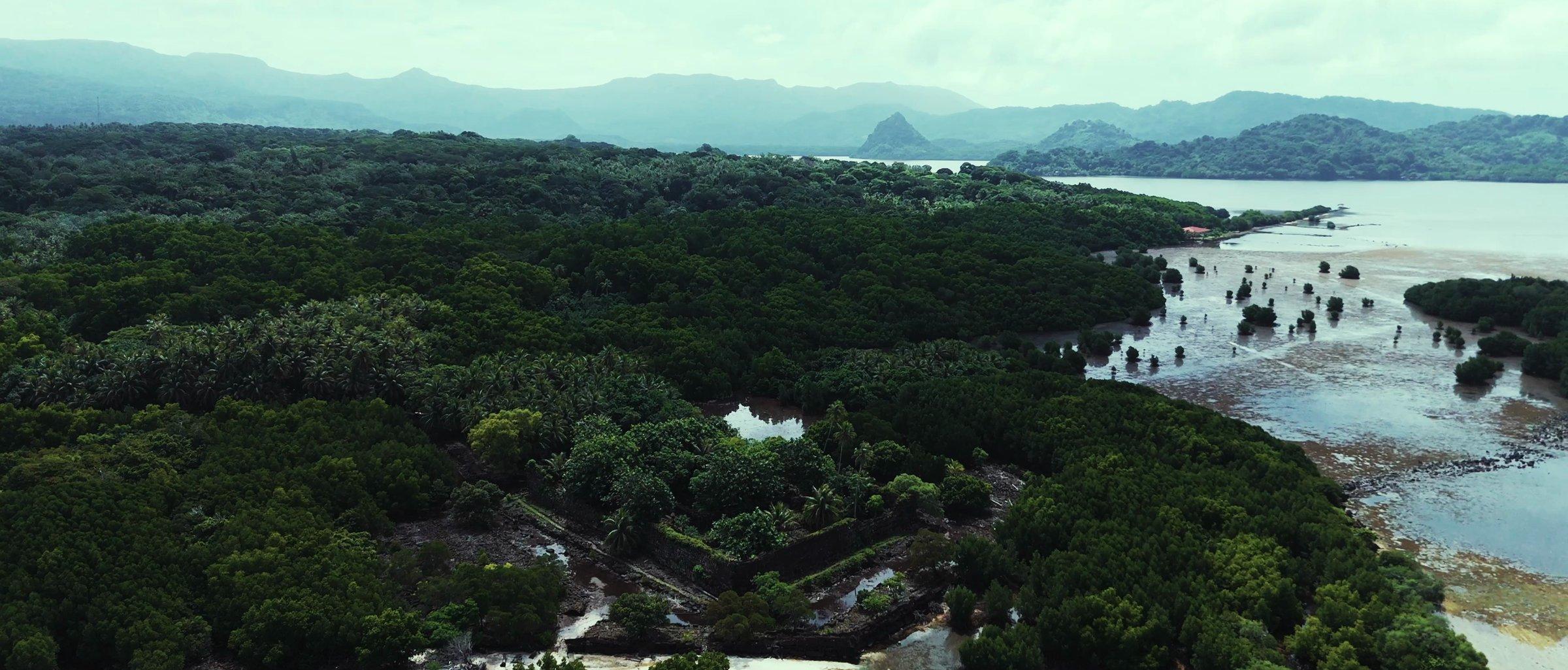
PLATE 03—City of Canals
Beneath the mangrove green, some one hundred artificial islets rest in silence.
THE MYSTERY
The greatest unsolved riddle
The greatest mystery of Nan Madol is how basalt columns weighing tens of tons were ever transported.
The leading theory is that stone quarried on the island was floated into place on rafts and log rollers.
But exactly how the columns were stacked so high has never been fully explained.
It is this enigma that makes Nan Madol one of the most mysterious archaeological sites in the world.
SCENES
“A Pohnpeian always knows their ancestors.”
— An island storyteller
HIGHLIGHTS
The largest structure in Nan Madol — a royal mausoleum enclosed by stone walls over seven meters high, still the symbol of the ruins today.
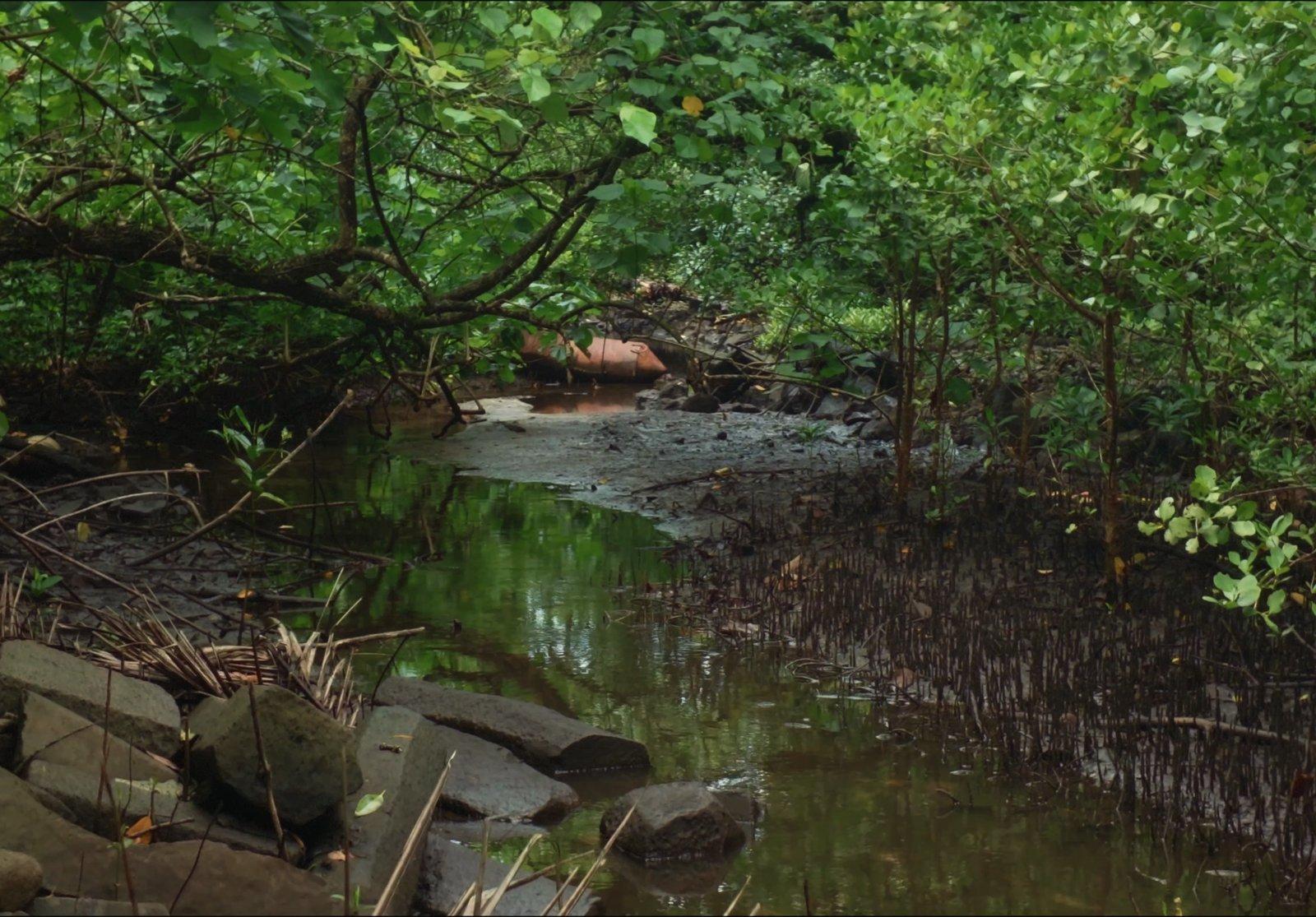
Nan Madol is called the “Venice of the Pacific.” Seawater flows between the islets, and at high tide people are thought to have moved through the city by canoe.
Basalt columns stacked like logs form a style of construction found almost nowhere else on earth. Up close, the sheer size of each stone is overwhelming.
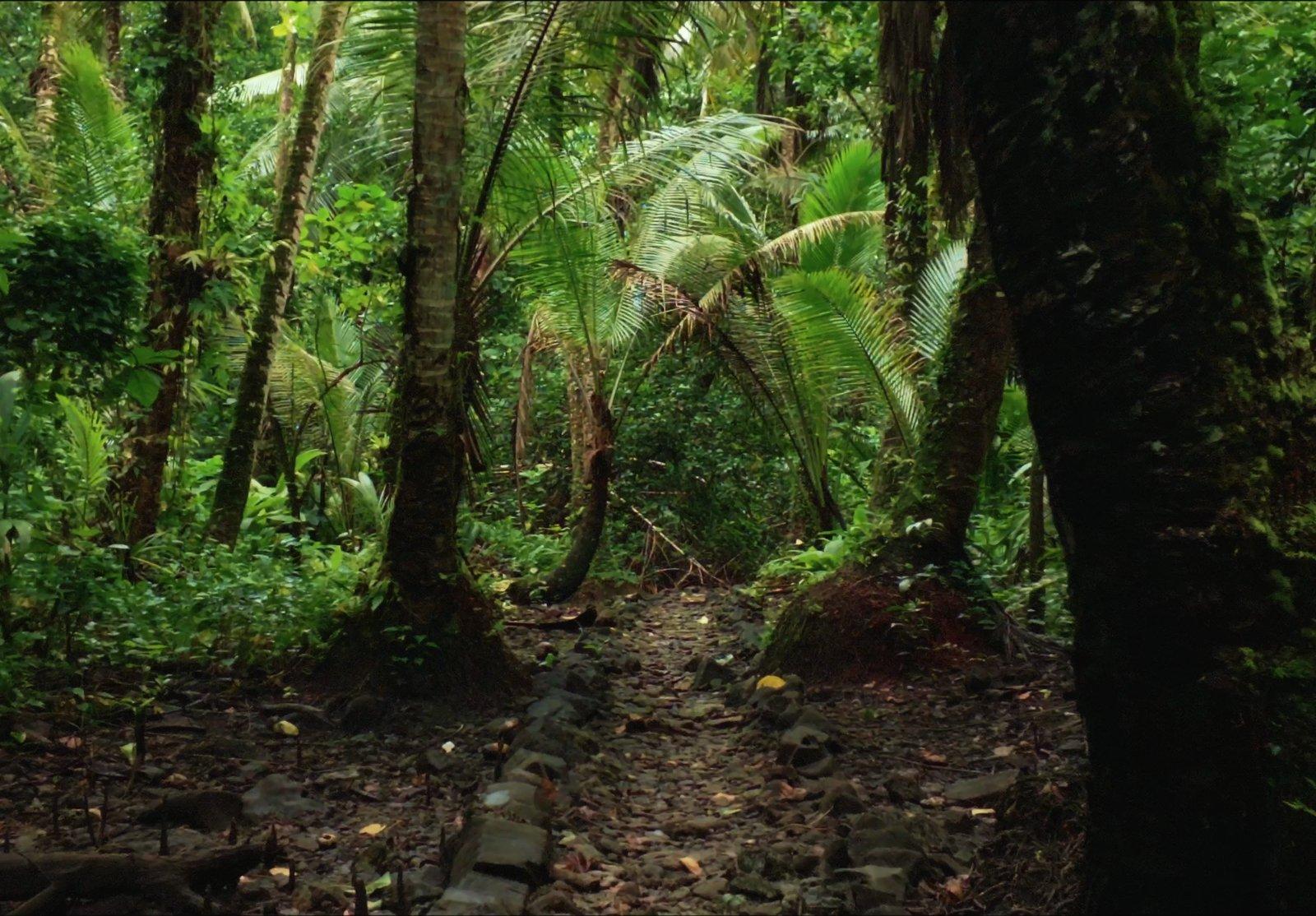
Lush mangrove forest surrounds the ruins. Stone walls mirrored on still water make for a hauntingly beautiful scene unique to Nan Madol.
TRAVEL TIPS
The site can be reached by land or by boat.
Comfortable walking shoes are recommended — footing is uneven and some rocks are slippery.
Shade is scarce, so bring a hat, water and sun protection.
Tides change how easily you can walk the site, so the timing of your visit matters.
No photograph conveys the true presence of Nan Madol. Walking the stone city on the sea and listening to its history and legends is the surest way to feel the island's depth.
Pohnpei Ocean Cruise offers Nan Madol tours with Japanese- and English-speaking guides. Drawing on more than 20 years on the island, we share not only the ruins but Pohnpei's culture, nature and the stories of its people.